




















How to Manage Stress and Anxiety with Breathing Exercises
Learn simple yet powerful breathing techniques to calm your mind and reduce stress and anxiety in minutes.
When you feel overwhelmed, your breath is one of the most powerful tools you have. Conscious breathing can activate your body's relaxation response, slowing your heart rate and calming your nervous system. One of the most effective techniques is the "4-7-8" method: inhale through your nose for 4 seconds, hold your breath for 7 seconds, and exhale completely through your mouth for 8 seconds. Repeat this a few times to feel an immediate sense of calm. Another great exercise is "box breathing," where you inhale for 4, hold for 4, exhale for 4, and hold for 4, creating a square pattern. Integrating these simple practices into your daily life can help you build resilience to stress and improve your overall mental wellbeing.
How to Manage Stress and Anxiety with Simple Breathing Exercises
Stress and anxiety have become a common part of modern life. Busy schedules, constant notifications, work pressure, and everyday responsibilities can easily overwhelm the mind and body. While there are many ways to cope with stress, one of the most effective and accessible methods is something we do every day without even thinking about it: breathing.
Breathing exercises are simple, natural techniques that can quickly calm your nervous system and help you regain control of your thoughts and emotions. By learning how to breathe consciously and slowly, you can activate your body’s natural relaxation response, reduce anxiety levels, and restore a sense of balance in just a few minutes.
Why Breathing Exercises Help Reduce Stress
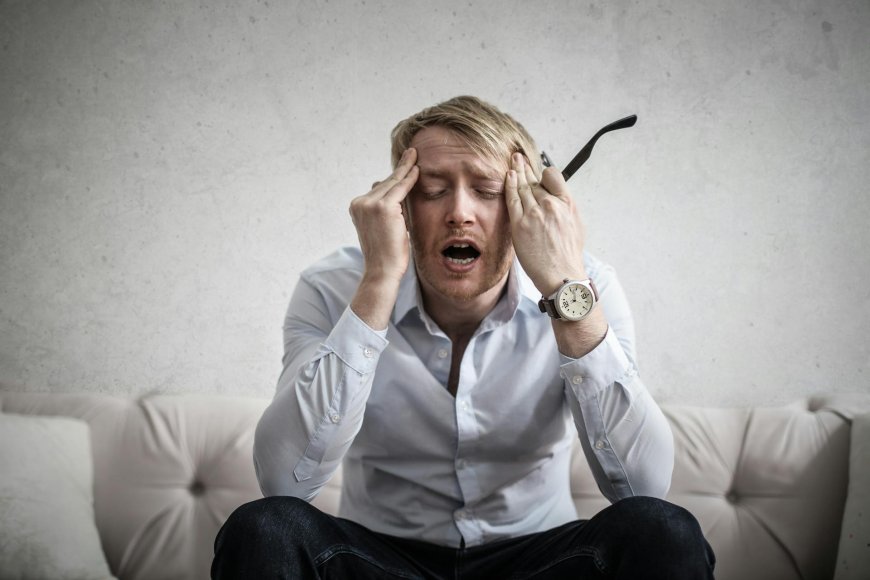
When you experience stress or anxiety, your body automatically enters a “fight or flight” mode. Your heart rate increases, your breathing becomes shallow, and your muscles tense up. This response is useful in dangerous situations, but when it happens frequently due to daily stress, it can affect your overall mental and physical health.
Controlled breathing helps interrupt this stress response. Slow and intentional breathing signals your brain that you are safe, which allows your body to relax. As a result, your heart rate slows down, your blood pressure stabilizes, and your mind becomes clearer and calmer.
The best part is that breathing exercises require no equipment, no special environment, and only a few minutes of your time. You can practice them at home, at work, or even while commuting.
The 4-7-8 Breathing Technique
One of the most popular and effective breathing methods for reducing stress and anxiety is the 4-7-8 breathing technique. This simple exercise helps regulate your breathing rhythm and encourages deep relaxation.
Here’s how to practice it:
- First, sit or lie down in a comfortable position.
- Inhale slowly through your nose for 4 seconds.
- Hold your breath gently for 7 seconds.
- Exhale slowly and completely through your mouth for 8 seconds.
- Repeat the cycle 3 to 5 times.
After just a few rounds, many people notice a significant decrease in tension and mental clutter. This technique is especially helpful before sleep, during stressful moments, or whenever you feel overwhelmed.
Box Breathing for Focus and Calm
Another highly effective method is known as box breathing. This technique is widely used by athletes, meditation practitioners, and even professionals in high-pressure environments because it promotes calmness and concentration at the same time.
The pattern follows a simple four-part rhythm, creating a “square” or box pattern.
- Inhale slowly through your nose for 4 seconds.
- Hold your breath for 4 seconds.
- Exhale slowly through your mouth for 4 seconds.
- Hold again for 4 seconds before the next breath.
Repeat this cycle for several minutes. The structured rhythm helps stabilize breathing patterns and allows your mind to focus on the present moment rather than racing thoughts.
How to Make Breathing Exercises Part of Your Daily Routine
The key to experiencing long-term benefits from breathing exercises is consistency. You don’t need long meditation sessions or complicated routines. Even practicing for a few minutes a day can make a noticeable difference in how you manage stress.
Here are a few easy ways to integrate breathing exercises into your daily life:
- Start your morning with 3–5 minutes of slow breathing.
- Take short breathing breaks during work or study sessions.
- Use breathing techniques before important meetings or stressful situations.
- Practice relaxation breathing before going to sleep.
Over time, these small habits can strengthen your ability to handle stress more effectively. You may notice improved focus, better sleep, and a greater sense of emotional balance.
Final Thoughts
Breathing is one of the simplest yet most powerful tools for managing stress and anxiety. By practicing techniques like the 4-7-8 method or box breathing, you can quickly calm your mind, relax your body, and regain control during challenging moments.
With regular practice, conscious breathing can become a valuable part of your self-care routine, helping you build resilience, improve mental clarity, and support overall wellbeing.
What's Your Reaction?