










































Understanding food labels and nutrition
Learn to read and understand food labels to make healthier purchasing decisions.

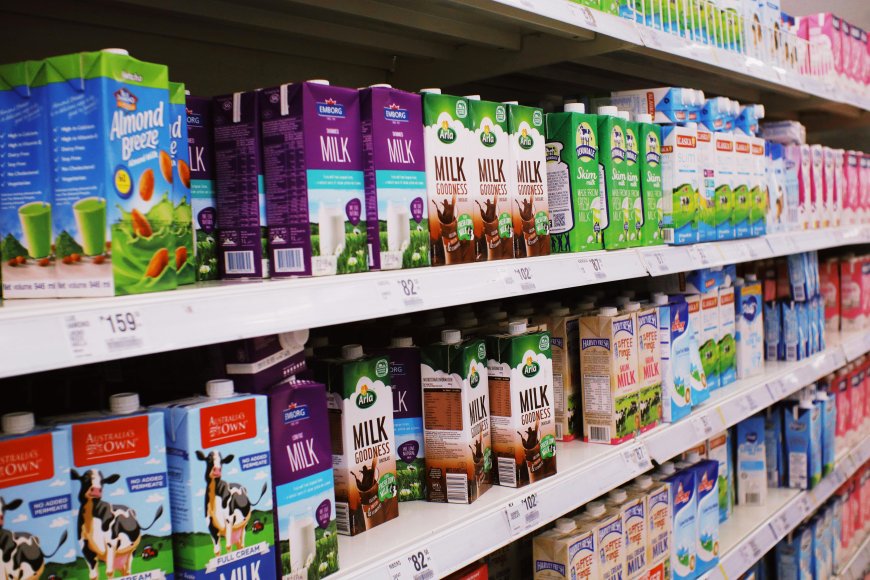
Decoding nutrition labels helps you choose foods that support your health goals.
Cracking the Code: A Guide to Understanding Food Labels
Navigating the supermarket aisles can be overwhelming, with countless products vying for your attention. The key to making informed, healthy choices lies in understanding the information presented on food labels. This nutritional information panel is a powerful tool, but it requires knowing what to look for.
The first critical step is to check the serving size. All the nutritional values listed below it are based on this specific amount. It's easy to overlook, but a package often contains multiple servings. If you consume the entire package, you must multiply all the listed values (calories, fat, sugar, etc.) by the number of servings you ate.
Next, focus on key nutrients. The % Daily Value (%DV) is a useful guide. As a general rule, 5% DV or less of a nutrient per serving is considered low, while 20% DV or more is high. Aim to be low in nutrients you want to limit, such as saturated fat, sodium, and added sugars. Conversely, look for higher %DV in beneficial nutrients like dietary fiber, vitamin D, calcium, and iron.
Pay particular attention to the ingredients list. Ingredients are listed in descending order by weight. If sugar, sodium, or refined grains are among the first few ingredients, the product is likely highly processed. Learning to identify hidden names for sugar, like high-fructose corn syrup, dextrose, or sucrose, is crucial for managing your intake. By taking a few moments to decode these labels, you empower yourself to choose foods that truly support your health and wellness goals.
What's Your Reaction?