













































Understanding high blood pressure: causes, risks, and effective treatment
Learn about high blood pressure (hypertension), its risk factors, causes, and treatments. Discover how lifestyle changes and medications can help manage this silent killer.

OVERVIEW OF HIGH BLOOD PRESSURE (HYPERTENSION)
The heart pumps between 5 to 7 liters of blood per minute, ensuring proper circulation throughout the body. However, when blood flow becomes restricted due to various reasons, high blood pressure, also known as hypertension, can occur. This condition leads to increased pressure against the walls of arteries, much like overinflating a tire. Over time, high blood pressure can damage the arteries and elevate the risk of serious health conditions such as heart attacks, strokes, and peripheral artery disease.
Often referred to as the "silent killer", hypertension frequently shows no symptoms. Regular monitoring is essential, as early detection can help prevent severe complications.
MONITORING BLOOD PRESSURE
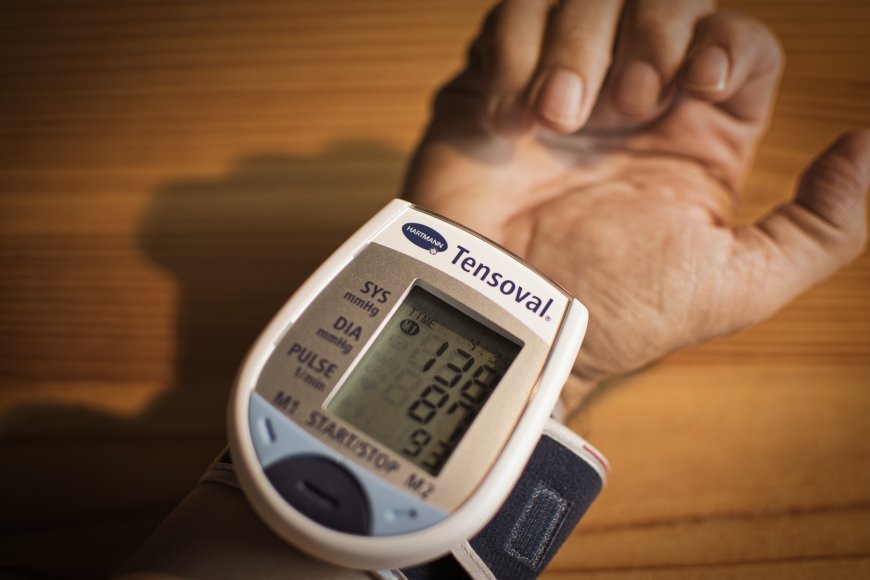
It's recommended to check your blood pressure at least every two years. For individuals aged 40 and above, or those at high risk, an annual check-up is advised. Blood pressure can also be monitored at home or at select grocery stores, although these readings may be less accurate than those done by healthcare professionals.
According to the National Heart, Lung, and Blood Institute (NHLBI), a reading below 120/80 is considered normal. A reading between 120/80 and 139/89 is categorized as "pre-hypertension." If your reading consistently exceeds 180, seek immediate medical attention.
RISK FACTORS FOR HYPERTENSION
Several factors increase the likelihood of developing high blood pressure:
• Age and Gender: Men are at greater risk before age 55. After 55, the risk for men and women becomes equal.
• Health Conditions: Individuals with heart defects, kidney disorders, or sleep apnea face a higher risk.
• Pregnancy: Can elevate the likelihood of developing high blood pressure.
• Family History: Genetics can play a role in predisposition to hypertension.
COMMON CAUSES OF HIGH BLOOD PRESSURE
Hypertension can develop for various reasons, including:
• Kidney disease: The kidneys regulate blood volume. When they don’t function properly, blood pressure can rise.
• Genetics: Hypertension often runs in families, indicating a potential genetic link.
• Diet: Diets high in sodium, fat, or alcohol contribute to high blood pressure.
• Obesity: Excess weight increases resistance in blood vessels, forcing the heart to pump harder, leading to higher pressure.
• Medication: Some medications, such as birth control pills or over-the-counter cold remedies, may affect blood vessel function, raising blood pressure.
HYPERTENSION TREATMENT OPTIONS
Lifestyle modifications are the first step in managing high blood pressure. This includes changes in diet, increased physical activity, reducing alcohol intake, and managing stress. When lifestyle changes are insufficient, medications such as beta-blockers, vasodilators, and diuretics may be prescribed. Despite medication, maintaining a healthy lifestyle remains crucial for long-term management.
Following a treatment plan is essential for successfully managing hypertension. Unfortunately, some patients struggle to adhere to treatment due to side effects or anxiety about their health. Sticking to the plan with the support of a healthcare provider increases the chances of controlling the condition effectively.
High blood pressure is a serious condition with potential long-term health risks. Understanding the causes, monitoring your blood pressure regularly, and following a personalized treatment plan can help reduce the risk of severe complications. Making lifestyle changes and sticking to prescribed medications are key to managing hypertension effectively.
What's Your Reaction?