


































Minimalist living for a clutter-free life
Embrace minimalism to reduce stress and create more meaningful living spaces.

Minimalism isn't about deprivation but about focusing on what truly matters. Learn practical steps to declutter your home and mind.
Minimalist Living for a Clutter-Free Life
Embrace minimalism to reduce stress and create more meaningful living spaces.
Understanding the True Meaning of Minimalism
Minimalism is often misunderstood as living with as few possessions as possible. In reality, minimalist living is not about deprivation or strict rules. Instead, it focuses on intentionally choosing what adds value to your life and removing what no longer serves a purpose.
Modern lifestyles often encourage constant consumption. Over time, homes become filled with unused items, unnecessary decorations, and things we rarely think about. This clutter can create visual noise and mental stress, making it harder to relax and feel comfortable in your own space.
Minimalism encourages a shift in perspective. Rather than accumulating more, the goal is to prioritize quality, functionality, and meaning in the things you choose to keep.
How Clutter Affects Your Mind and Environment
A cluttered space can have a surprising impact on your mood and productivity. When every surface is filled with objects, your brain receives constant visual signals that can make it harder to focus or feel calm.
Many people notice that after decluttering a room, the space immediately feels lighter and more peaceful. This happens because a simplified environment reduces distractions and allows your mind to relax.
Minimalist spaces are not empty or cold. Instead, they are carefully designed to include only items that are useful, beautiful, or meaningful.
Practical Steps to Start Decluttering Your Home
Beginning a minimalist lifestyle does not require drastic changes overnight. A gradual approach is often more sustainable and less overwhelming.
Start with one small area of your home, such as a drawer, a shelf, or a closet. Take everything out and evaluate each item. Ask yourself whether it is truly useful, meaningful, or regularly used.
If something no longer serves a purpose, consider donating, recycling, or giving it to someone who might need it. This process not only frees up space but also helps create a more intentional living environment.
Another helpful strategy is adopting the “one in, one out” rule. Whenever you bring a new item into your home, remove another item that you no longer need. This habit helps prevent clutter from building up again.
Designing a Calm and Functional Living Space
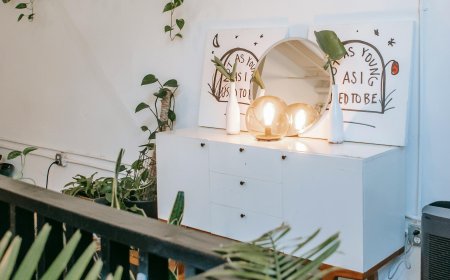
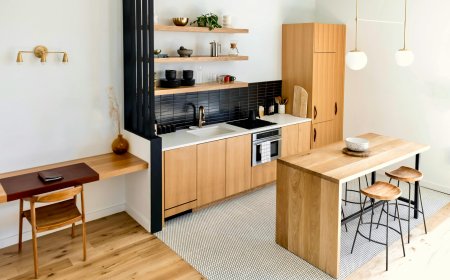
Minimalist homes often emphasize simplicity, natural light, and functional design. Instead of filling every corner with decorations, the focus is on creating an open and balanced environment.
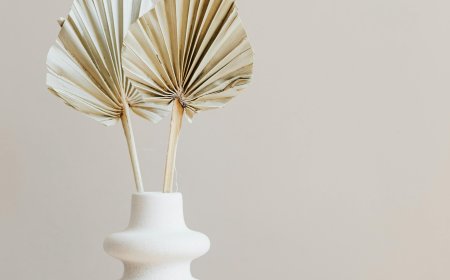
Neutral colors, simple furniture, and carefully chosen décor can transform a room into a peaceful retreat. Each item should have a clear purpose or bring genuine enjoyment.
Storage solutions also play an important role. Hidden storage, shelves, and organized spaces help keep everyday items accessible without creating visual clutter.
Minimalism Beyond Physical Possessions
Minimalism is not limited to the physical environment. Many people apply the same philosophy to other areas of life, including schedules, commitments, and digital spaces.
For example, reducing unnecessary obligations or limiting time spent on social media can create more room for meaningful activities. A simplified lifestyle allows you to focus on experiences, relationships, and personal growth rather than constant accumulation.
This broader approach to minimalism often leads to greater clarity, reduced stress, and a stronger sense of purpose.
Building a Lifestyle That Focuses on What Matters
Minimalist living encourages intentional choices. By removing excess possessions and distractions, you create space for what truly matters in your life.
A clutter-free environment can improve concentration, support relaxation, and make daily routines more enjoyable. Over time, these small changes contribute to a more balanced and fulfilling lifestyle.
Minimalism is not about having less for the sake of it. It is about making room for the things that genuinely bring value, comfort, and meaning to your everyday life.
What's Your Reaction?