











































The art of mindful living in a busy world
Practice mindfulness to find peace and purpose in your daily activities.

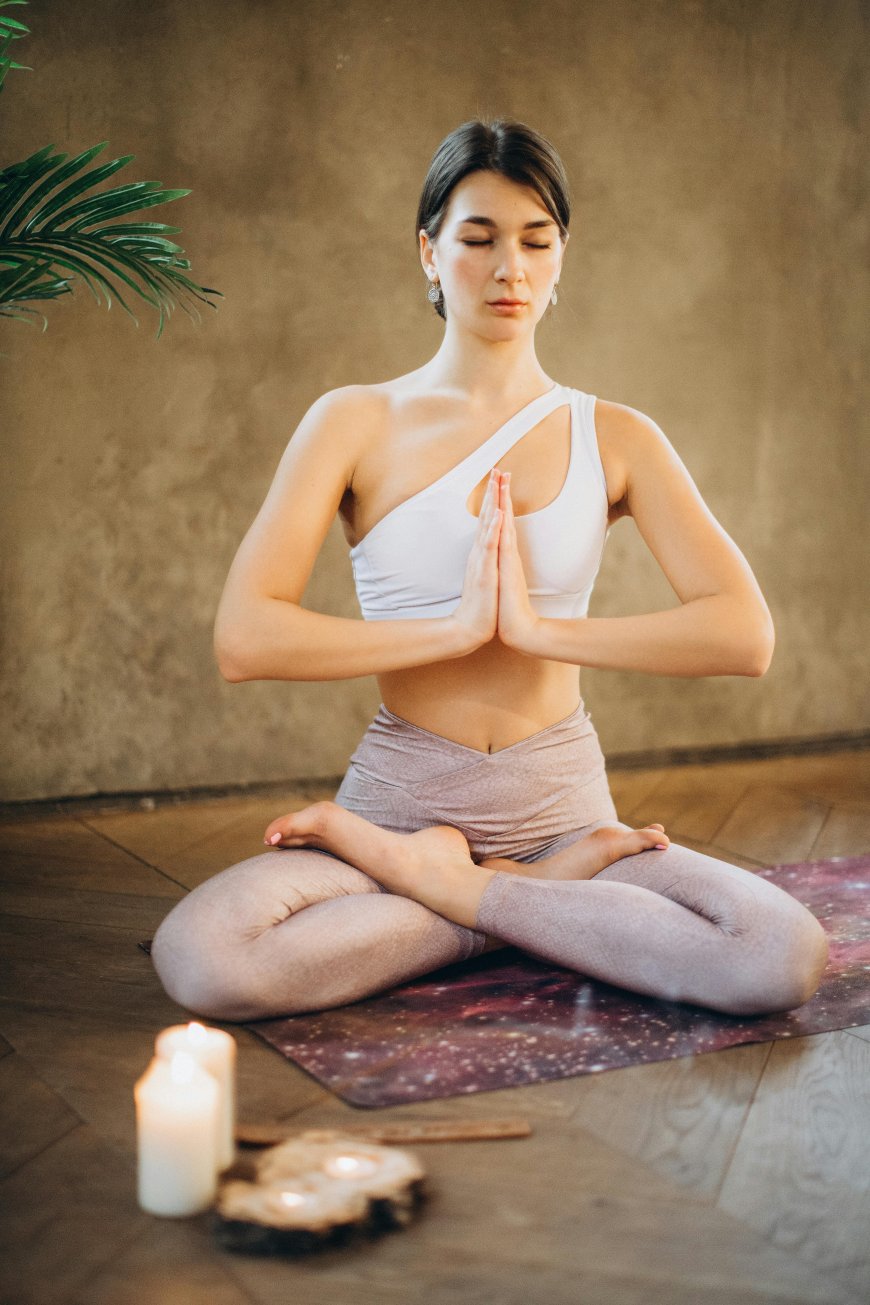
Incorporate mindfulness into everyday tasks to reduce stress and increase satisfaction.
Understanding Mindfulness in Modern Life
In today’s fast-paced world, it’s easy to feel overwhelmed by responsibilities, notifications, and constant distractions. Mindful living offers a simple yet powerful approach to regaining balance. At its core, mindfulness means paying full attention to the present moment—without judgment and without rushing to the next task.
Instead of allowing stress and busyness to control your day, mindfulness helps you slow down and reconnect with what truly matters. By becoming more aware of your thoughts, emotions, and surroundings, you can approach everyday experiences with clarity and calm.
Why Mindfulness Matters in a Busy World
Many people spend their days moving quickly from one task to another, rarely pausing to breathe or reflect. This constant rush can lead to mental fatigue, stress, and a sense of disconnection from life.
Practicing mindfulness creates space between action and reaction. It allows you to respond thoughtfully instead of reacting automatically. Over time, this habit can improve emotional resilience, reduce anxiety, and increase overall life satisfaction.
Mindfulness also enhances focus. When you train your mind to stay present, you become more productive and engaged in whatever you are doing—whether it’s working, studying, or spending time with loved ones.
Bringing Mindfulness into Everyday Activities
One of the greatest advantages of mindfulness is that it doesn’t require special equipment or hours of meditation. It can be integrated into simple daily routines.
For example, when drinking your morning coffee, take a moment to notice the warmth of the cup, the aroma, and the taste. When walking, pay attention to your steps and the rhythm of your breathing. During conversations, listen fully instead of thinking about what you will say next.
Even routine tasks such as cooking, cleaning, or commuting can become opportunities to practice mindfulness. By focusing on the experience rather than rushing through it, ordinary moments can feel more meaningful and fulfilling.
Simple Techniques to Practice Mindfulness
Starting a mindfulness habit doesn’t have to be complicated. Small steps can make a big difference.
Begin with mindful breathing. Take a few minutes each day to focus on your breath, noticing each inhale and exhale. If your mind wanders, gently bring your attention back to your breathing.
Another technique is body awareness. Pause during the day and notice how your body feels. Are your shoulders tense? Is your breathing shallow? These moments of awareness can help you release tension and reset your focus.
You can also practice gratitude by reflecting on small positive moments throughout your day. Recognizing these experiences strengthens your ability to stay present and appreciate life as it happens.
The Long-Term Benefits of Mindful Living
Over time, mindful living can transform the way you experience daily life. Stress becomes easier to manage, relationships become more meaningful, and simple activities bring greater satisfaction.
Mindfulness encourages intentional living—making choices with awareness instead of operating on autopilot. In a world that constantly demands attention and speed, this practice provides a sense of stability and purpose.
Finding Peace in the Present Moment
Living mindfully does not mean slowing your life to a halt or avoiding responsibilities. Instead, it means approaching each moment with attention and curiosity.
By integrating mindfulness into your daily routine, you create opportunities for calm, clarity, and deeper connection. Even in the busiest world, the present moment remains a place where peace can always be found.
What's Your Reaction?