







































Yoga for beginners: Getting started
Start your yoga journey with this comprehensive beginner's guide to poses and benefits.

Yoga for beginners: Getting started
Start your yoga journey with this comprehensive beginner's guide to poses and benefits.
Yoga is one of the most effective and accessible ways to improve both physical and mental well-being. Whether you're looking to increase flexibility, reduce stress, or build strength, starting a yoga practice can bring long-term benefits to your daily life.
This beginner-friendly guide will help you understand the basics of yoga, introduce essential poses, and provide practical tips to help you build a consistent and enjoyable routine from the comfort of your home.
1. What Is Yoga and Why Start?
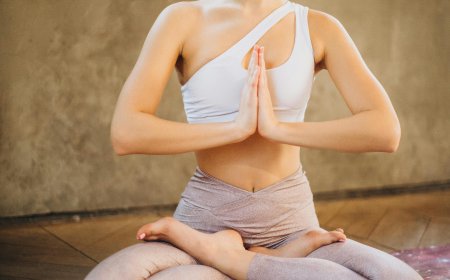
Yoga is a holistic practice that combines physical postures, breathing techniques, and mindfulness. It helps improve balance, flexibility, strength, and mental clarity. For beginners, yoga offers a gentle entry point into fitness while also promoting relaxation and stress relief.
2. Benefits of Yoga for Beginners
- Improves flexibility and posture
- Enhances muscle strength and tone
- Reduces stress and anxiety
- Boosts energy and focus
- Supports better sleep quality
3. Essential Yoga Poses to Start With
As a beginner, it's important to focus on simple and foundational poses that build strength and confidence. Some key poses include:
- Mountain Pose (Tadasana) – improves posture and balance
- Downward Dog (Adho Mukha Svanasana) – stretches the entire body
- Child’s Pose (Balasana) – promotes relaxation and recovery
- Cat-Cow Stretch – increases spinal flexibility
- Warrior I (Virabhadrasana I) – builds strength and stability
4. Focus on Breathing
Breathing is a core element of yoga. Practicing deep, controlled breathing helps you stay present and enhances the effectiveness of each pose. Try to synchronize your breath with your movements for a more mindful experience.
5. Create a Comfortable Practice Space
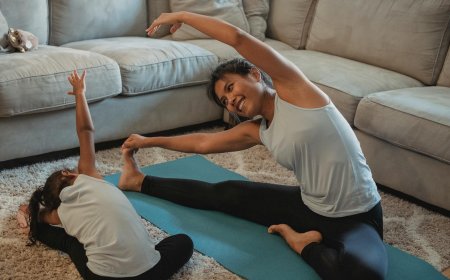
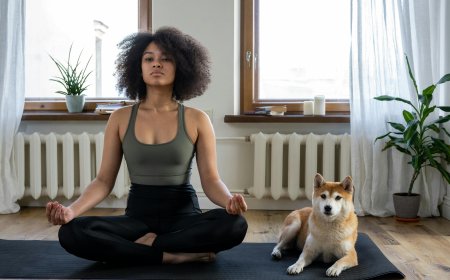
You don’t need a large area to practice yoga. Choose a quiet, clean space where you can move freely. A yoga mat, comfortable clothing, and minimal distractions will help you stay focused and relaxed.
6. Start Slow and Be Consistent
As a beginner, it's important not to rush. Start with short sessions of 10–20 minutes and gradually increase duration as your confidence and flexibility improve. Consistency is more important than intensity.
7. Listen to Your Body
Avoid pushing yourself too hard. Yoga is not about perfection but about awareness and gradual progress. If a pose feels uncomfortable or painful, modify it or take a break.
8. Use Guided Sessions
Following online classes or beginner tutorials can help you learn proper techniques and stay motivated. Guided sessions are especially useful for understanding posture alignment and breathing patterns.
Starting yoga as a beginner can be a transformative experience for both your body and mind. By practicing regularly, focusing on breathing, and progressing at your own pace, you can build a sustainable yoga routine that supports long-term health and well-being.
What's Your Reaction?