






































Essential first aid skills everyone should know
A practical guide to essential first aid skills that can help you respond effectively in an emergency and potentially save a life.

Knowing basic first aid can make a critical difference in an emergency. This article covers the fundamental skills everyone should be familiar with, from treating minor cuts and burns to responding to more serious situations like choking or a sudden illness. We'll provide clear, step-by-step instructions for performing CPR (Cardiopulmonary Resuscitation) and the Heimlich maneuver, as well as tips on how to build a comprehensive home first aid kit. Empower yourself with the knowledge to stay calm and act confidently when it matters most.
Essential First Aid Skills Everyone Should Know
A practical guide to essential first aid skills that can help you respond effectively in an emergency and potentially save a life.
Why First Aid Knowledge Matters
Knowing basic first aid can make a critical difference during emergencies. Immediate and informed action can prevent minor injuries from becoming serious, reduce recovery time, and, in some cases, save lives. First aid knowledge empowers you to stay calm and respond effectively when it matters most.
Basic First Aid Skills
Everyone should be familiar with these fundamental first aid techniques:
- Treating Minor Cuts and Burns: Clean the wound, apply an antiseptic, and cover with a sterile bandage. For minor burns, run under cool water and avoid breaking blisters.
- Managing Bleeding: Apply direct pressure to stop bleeding. Elevate the injured area when possible and seek medical attention if bleeding is severe or persistent.
- Responding to Choking: Learn the Heimlich maneuver for adults and children, and back blows for infants to clear airway blockages.
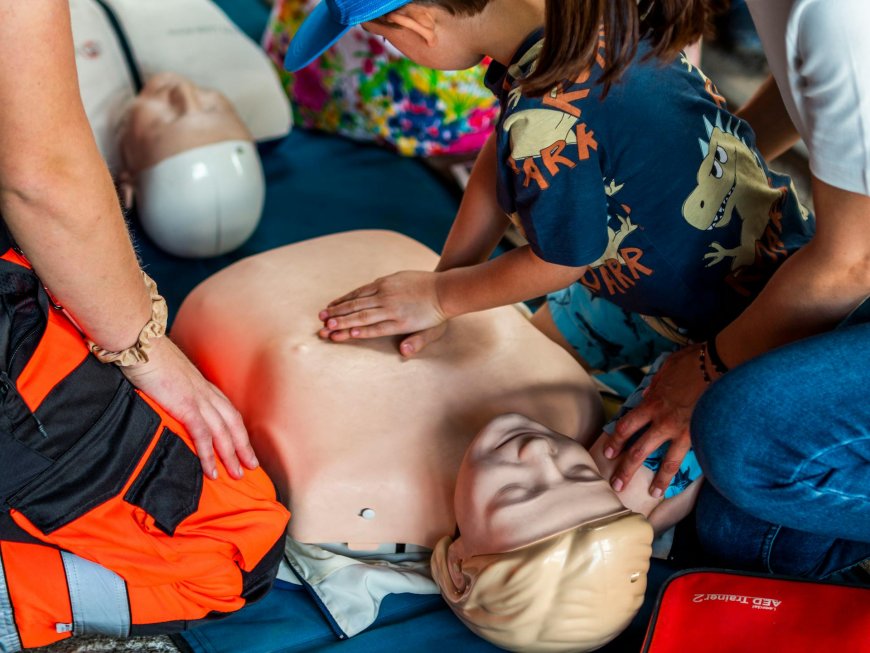
- CPR (Cardiopulmonary Resuscitation): Perform chest compressions at the center of the chest at a steady rhythm of 100–120 per minute, combined with rescue breaths if trained. CPR can sustain life until professional help arrives.
- Recognizing Signs of Sudden Illness: Identify symptoms of heart attacks, strokes, allergic reactions, and other emergencies, and call emergency services immediately.
Building a Comprehensive First Aid Kit
A well-stocked first aid kit is essential for handling emergencies at home, work, or while traveling. Include:
- Sterile bandages, gauze, and adhesive tape
- Antiseptic wipes and ointments
- Gloves and face masks
- CPR face shield or mask
- Thermometer and basic medications (pain relievers, antihistamines)
- Emergency contact numbers and first aid instructions
Tips for Effective First Aid
- Stay calm and assess the situation before acting.
- Prioritize safety for yourself and others.
- Call emergency services when necessary.
- Keep up-to-date with first aid training and certifications.
- Practice skills regularly to build confidence in emergencies.
Conclusion
Learning essential first aid skills equips you to respond quickly and effectively in emergencies. From minor injuries to life-threatening situations, having the knowledge, confidence, and tools to act can save lives and provide peace of mind for yourself and those around you.
What's Your Reaction?