











































Managing chronic pain through lifestyle changes
Lifestyle modifications can significantly reduce chronic pain and improve quality of life.


Movement, stress reduction, and proper nutrition can help manage persistent pain conditions.
Managing Chronic Pain Through Lifestyle Changes
Lifestyle modifications can significantly reduce chronic pain and improve quality of life.
Understanding Chronic Pain
Chronic pain affects millions of people and can impact daily activities, mental health, and overall well-being. While medication and medical treatments play a role, lifestyle changes are a powerful tool for managing pain naturally and supporting long-term health.
Incorporate Regular Movement
Gentle physical activity strengthens muscles, improves flexibility, and supports joint function, all of which can reduce pain. Low-impact exercises such as walking, swimming, yoga, or tai chi are especially effective for managing conditions like arthritis, back pain, or fibromyalgia. Consistent movement helps prevent stiffness and promotes mobility.
Focus on Stress Reduction
Stress can worsen chronic pain by increasing muscle tension and inflammation. Mindfulness practices, meditation, deep breathing exercises, and relaxation techniques help calm the nervous system and reduce pain perception. Managing stress also improves sleep quality, which is critical for overall pain management.
Adopt a Balanced, Anti-Inflammatory Diet
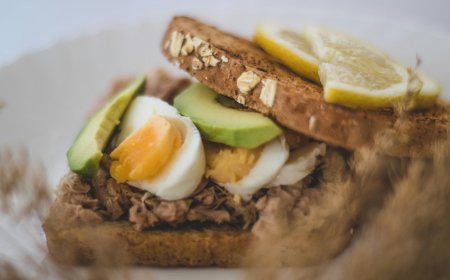
Nutrition plays a vital role in managing chronic pain. Anti-inflammatory foods such as leafy greens, berries, fatty fish, nuts, and whole grains help reduce inflammation and support overall health. Avoiding processed foods, added sugars, and excessive alcohol can further minimize pain flare-ups.
Maintain a Healthy Weight
Carrying extra weight can put additional strain on joints and muscles, worsening chronic pain. Achieving and maintaining a healthy weight through diet and exercise reduces pressure on the body and improves mobility.
Prioritize Sleep and Recovery
Quality sleep is essential for pain management. Establish a consistent bedtime routine, create a comfortable sleep environment, and limit screen time before bed. Proper rest allows the body to repair, reduce inflammation, and better tolerate pain.
Mind-Body Techniques
Practices like yoga, tai chi, and gentle stretching not only improve flexibility but also promote relaxation and body awareness. Techniques such as guided imagery, biofeedback, and acupuncture may also provide relief for certain types of chronic pain.
The Benefits of Lifestyle-Based Pain Management
By integrating movement, stress reduction, proper nutrition, and good sleep habits, you can significantly reduce chronic pain and improve overall quality of life. Lifestyle modifications empower you to take control of your condition, reduce reliance on medication, and maintain long-term health and independence.
What's Your Reaction?