











































Building resilience in challenging times
Resilience helps you navigate life's challenges with greater ease and less stress.

The Art of Bouncing Back: How to Build Resilience in Challenging Times
Life has a way of throwing curveballs. Whether it’s a personal loss, a career setback, a global crisis, or simply the accumulated weight of daily stress, difficult times are an inevitable part of the human experience. What separates not just surviving these moments, but potentially growing from them, is a quality we call **resilience**.
Often misunderstood as a trait you're either born with or without, resilience is actually more like a muscle. It’s a set of skills and attitudes that you can learn, practice, and strengthen over time. It’s not about being tough or ignoring your emotions; it’s about how you navigate through the storm and come out the other side, perhaps a little wiser and stronger than before.
What Resilience Really Means (And What It Doesn’t)
At its core, resilience is the ability to adapt well in the face of adversity, trauma, tragedy, or significant stress. It’s the process of "bouncing back" from difficult experiences.
However, it’s crucial to clear up a common misconception: **resilience is not about being invulnerable.** It doesn't mean you won't feel pain, sadness, or anxiety. In fact, trying to suppress those feelings can be counterproductive. Truly resilient people experience the full weight of their emotions; they simply have the tools to process them in a healthy way and keep moving forward.
Think of it like this: two trees in a storm. One is rigid and unyielding; it might snap under the pressure. The other is flexible, bending with the wind. It might look battered afterward, but it remains rooted and intact. Resilience is that flexibility.
Why Is It So Important Right Now?
We live in an era of constant change and information overload. From economic uncertainty to the lingering effects of a global pandemic, the pace of modern life can feel relentless. This "background noise" of chronic stress can wear us down, making it harder to cope when a major life event occurs.
Building resilience is your personal buffer against this. It doesn't make the challenges disappear, but it changes your relationship with them. It gives you a sense of control in chaotic situations and helps prevent you from feeling like a helpless victim of circumstance.
The Core Pillars: How to Build Your Resilience Muscle
The good news is that resilience is built through intentional action. Here are some of the most effective, evidence-based ways to cultivate it in your own life.
1. Nurture Your Connections (You Are Not Alone)
Resilience might seem like a solo endeavor, but it's actually deeply social. One of the strongest predictors of resilience is the quality of our relationships. When things get tough, the instinct to withdraw can be powerful, but this is precisely when we need to lean on others.
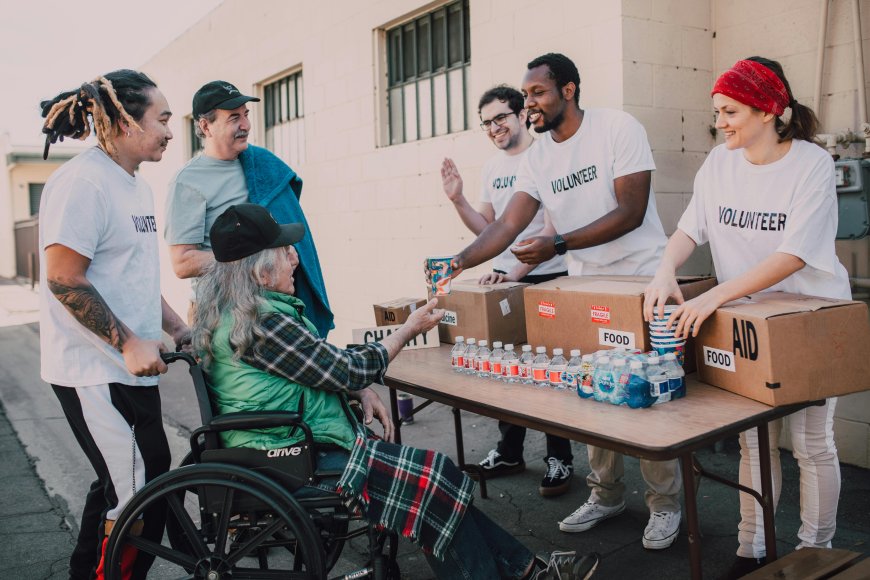
- **Action Step:** Make an effort to strengthen your support network. This could mean having a heart-to-heart with a close friend, joining a support group, or simply spending quality time with family. Accepting help from those who care about you is a sign of strength, not weakness. Knowing you have a "safe harbor" makes the storm feel far less overwhelming.
2. Redefine Your Outlook: Find Meaning in the Mess
Resilient people are often experts at reframing. They don't ignore the negative, but they also look for the sliver of light in the darkness. This isn't about toxic positivity—the kind that slaps a smiley face on a tragedy. It’s about searching for meaning.
- **Action Step:** Ask yourself different questions. Instead of "Why is this happening to me?" try asking, "What can I learn from this?" or "How can this make me stronger?" This shift in perspective can transform a source of pain into a source of growth. It helps you see the event not as an endpoint, but as a chapter in a larger story.
3. Embrace Change (And Let Go of What You Can't Control)
A huge source of suffering comes from trying to control the uncontrollable—other people's actions, the economy, the past. Resilience is built on the radical acceptance that change is the only constant. Fighting it is exhausting.
- **Action Step:** Make a conscious effort to distinguish between what you can and cannot control. You can't control a company-wide layoff, but you *can* control how you update your resume, how you network, and how you care for your mental health during the job search. Focus your energy on your "circle of control." This is where your power lies.
4. Take Care of Your Body (The Mind-Body Connection)
You cannot have a resilient mind if you are running on an empty tank. Chronic stress takes a physical toll, releasing hormones that can wreak havoc on your body over time. Taking care of your physical health is a form of preventative maintenance for your mental resilience.
- **Action Step:** Prioritize the basics. Aim for consistent, quality sleep—it’s when your brain processes emotions and repairs itself. Move your body regularly, even if it's just a 20-minute walk; exercise is a phenomenal stress-reliever. And nourish yourself with balanced meals. When your body feels strong, your mind is better equipped to handle challenges.
5. Develop a "Can-Do" Attitude (Self-Efficacy)
Resilience is built one small victory at a time. When you set a small goal and achieve it, you send a powerful message to your brain: "I am capable. I can make things happen." This builds self-efficacy, the belief in your own ability to succeed.
- **Action Step:** Break down overwhelming problems into tiny, manageable steps. Is the house a mess? Don't think "clean the whole house." Think "set a timer for 15 minutes and clean the kitchen counter." Achieving that small goal provides a little boost of momentum and control, which can snowball into tackling larger challenges.
The Takeaway: It’s a Journey, Not a Destination
Building resilience isn't a one-time project. It's an ongoing practice, a way of moving through the world. There will be days when you feel strong and days when you feel fragile, and that is perfectly okay.
The goal isn't to become so tough that life's hardships don't affect you. The goal is to become so skilled at navigating them that you trust yourself to handle whatever comes next. By investing in your connections, your outlook, and your well-being, you're not just preparing for the next storm; you're learning to dance in the rain.
What's Your Reaction?