












































Why do our legs swell? Common causes & effective solutions
Discover the main causes of leg swelling, from a sedentary lifestyle to circulatory disorders. Learn how to prevent and effectively treat this condition for better health and comfort!

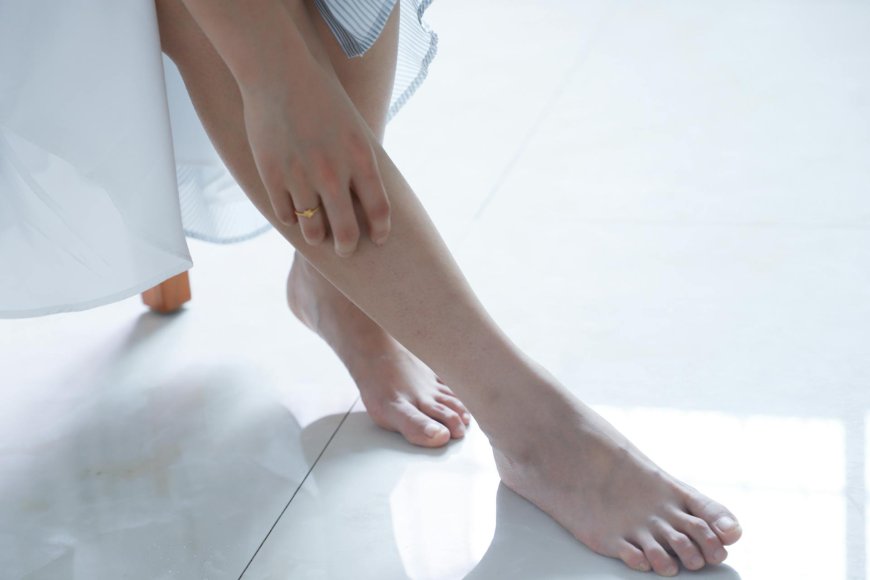
Do you often experience swollen legs and discomfort at the end of the day? This issue can be caused by seemingly harmless factors or more serious health conditions. In this article, we explore the main reasons why legs swell and how you can manage this condition to maintain your health and comfort.
WHAT CAUSES LEG SWELLING?
If your shoes fit perfectly in the morning but feel tight in the evening, you might be dealing with leg edema. Swelling in the legs can have multiple causes, ranging from daily habits to medical conditions.
Here are the most common reasons:
SEDENTARY LIFESTYLE & PROLONGED STANDING
Lack of movement can lead to poor blood circulation, causing fluid retention in the legs and ankles. Conversely, standing for long periods can result in muscle fatigue and blood stagnation in the lower limbs, worsening the swelling.
INFECTIOUS CELLULITIS
Cellulitis is not just a cosmetic issue but also a serious inflammatory condition. It can affect the lower legs, causing redness, warmth, tenderness, and swelling in the affected area.
CONGESTIVE HEART FAILURE
When the heart cannot pump blood efficiently, fluids can accumulate in the body, leading to swelling in the legs and other areas like the abdomen. This type of swelling is often accompanied by shortness of breath, especially during exertion or when lying down.
CHRONIC VENOUS INSUFFICIENCY
Venous insufficiency occurs when veins struggle to transport blood back to the heart efficiently. This condition can cause:
- More pronounced swelling in the evening than in the morning;
- A heavy, aching sensation in the legs;
- Thickened and darkened skin, especially around the ankles.
KIDNEY PROBLEMS & WATER RETENTION
Kidney disorders can cause excessive fluid buildup in the body, leading to swelling in the legs, hands, and even the face.
HORMONAL IMBALANCES
Pregnancy, menopause, and certain endocrine disorders can contribute to fluid retention and leg swelling. Additionally, some medications, such as oral contraceptives or hypertension treatments, may have the same effect.
UNHEALTHY DIET
A high intake of salt and processed foods promotes water retention and the development of leg edema.
HOW TO PREVENT & TREAT LEG SWELLING
To reduce swelling and prevent complications, consider the following essential measures:
• Stay Active – Regular movement stimulates blood circulation and prevents fluid buildup in the lower limbs.
• Elevate Your Legs – If you've been sitting or standing for long periods, try raising your legs to facilitate lymphatic drainage.
• Reduce Salt Intake – A balanced diet rich in potassium and low in sodium helps regulate fluid levels in the body.
• Wear Comfortable Shoes – Tight footwear can worsen leg swelling.
• Stay Hydrated – Proper hydration helps flush out excess sodium from the body.
• Consult a Doctor – If swelling persists or is accompanied by other symptoms (pain, skin color changes, shortness of breath), seek medical advice.
Leg swelling can result from minor factors or more severe conditions. Identifying the root cause and taking necessary measures is crucial to preventing discomfort and potential complications. Adopting an active lifestyle, maintaining a balanced diet, and monitoring symptoms are essential steps for healthy legs!
What's Your Reaction?