






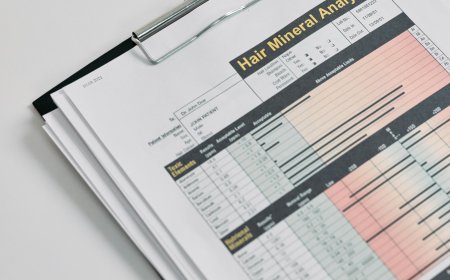






































Benefits of regular health check-ups
Regular health screenings can detect potential issues before they become serious problems.


Annual check-ups and age-appropriate screenings are crucial for maintaining long-term health.
Benefits of Regular Health Check-Ups
Regular health screenings can detect potential issues before they become serious problems.
Why Regular Check-Ups Matter
Routine health check-ups are essential for maintaining long-term well-being. They help identify medical conditions early, when treatment is most effective, and provide an opportunity to discuss lifestyle habits and preventive measures with your healthcare provider.
Early Detection of Health Issues
Regular screenings can uncover conditions like high blood pressure, diabetes, high cholesterol, or early signs of cancer before symptoms appear. Early detection increases the chances of successful treatment and can prevent complications.
Customized Preventive Care
During check-ups, your doctor can recommend age-appropriate screenings and vaccinations based on your personal health history and risk factors. This proactive approach helps reduce the risk of serious illnesses and keeps you on track for long-term health.
Monitor Chronic Conditions
For those with existing health conditions, regular visits allow for monitoring and adjusting treatments as needed. Continuous care helps manage conditions effectively, reduce complications, and maintain a better quality of life.
Encourage Healthy Lifestyle Choices
Health check-ups are an opportunity to discuss nutrition, exercise, stress management, and other lifestyle habits with a professional. Guidance from your healthcare provider can support positive changes that enhance overall health and prevent future problems.
Peace of Mind
Knowing your health is being monitored regularly provides reassurance and reduces anxiety about potential medical issues. Regular check-ups empower you to take control of your well-being and make informed decisions about your health.
Practical Tips for Regular Health Check-Ups
- Schedule an annual physical exam with your primary care provider.
- Follow age- and gender-specific screening recommendations.
- Keep a record of vaccinations, lab results, and medical history.
- Discuss any changes in health, mood, or energy levels with your doctor.
- Ask about preventive strategies to maintain long-term health.
What's Your Reaction?