









































How to start your own podcast: a step-by-step guide
A comprehensive step-by-step guide on how to start your own podcast, from planning and recording to editing and promoting your show.

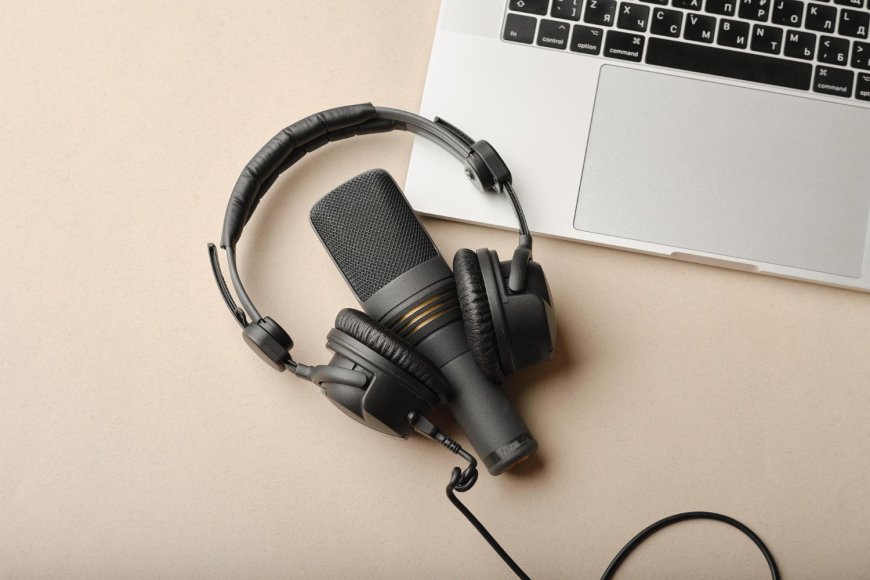
Dreaming of sharing your voice with the world? Podcasting has become a powerful medium for storytelling, education, and entertainment. This guide provides a clear roadmap for anyone looking to launch their own podcast. We'll cover everything from conceptualizing your show and choosing the right equipment to mastering the recording process, editing, and distributing your episodes to major platforms like Spotify and Apple Podcasts.
How to Start Your Own Podcast: A Step-by-Step Guide
A comprehensive step-by-step guide on how to start your own podcast, from planning and recording to editing and promoting your show.
Why Podcasting Is Growing So Fast
Podcasting has become one of the most popular forms of digital content in recent years. Millions of listeners tune in daily to hear conversations, stories, interviews, and educational discussions on a wide range of topics.
One of the reasons podcasting has grown so quickly is its accessibility. Anyone with an idea, a microphone, and a bit of dedication can launch their own show and reach a global audience. Whether you want to share knowledge, build a personal brand, promote a business, or simply explore your creativity, podcasting offers a powerful platform to connect with people.
If you’ve ever thought about starting a podcast but didn’t know where to begin, the following steps will help you turn your idea into a fully launched show.
Step 1: Define Your Podcast Idea and Audience
Every successful podcast begins with a clear concept. Before recording anything, take time to think about the purpose of your podcast and the audience you want to reach.
Choose a topic that you are passionate about and can discuss consistently over time. This might be business, technology, personal development, storytelling, fitness, or any niche that interests you.
At the same time, consider who your listeners will be. Understanding your target audience helps you create episodes that are relevant, engaging, and valuable.
Step 2: Choose a Podcast Format
Podcasts come in many different formats. Selecting the right structure will help shape the style and flow of your episodes.
Some popular podcast formats include solo episodes, interviews with guests, panel discussions, storytelling formats, or educational deep dives. Each format offers a different listening experience.
For beginners, interview-style podcasts are often easier to sustain because conversations with guests naturally create engaging content.
Step 3: Select the Right Equipment
You don’t need a professional studio to start a podcast, but good audio quality is essential. Listeners are much more likely to stay engaged if your sound is clear and easy to understand.
A basic podcast setup usually includes a quality microphone, headphones, and recording software. USB microphones are popular among beginners because they are affordable and simple to connect to a computer.
Recording in a quiet room with minimal echo can also make a big difference in overall sound quality.
Step 4: Record Your First Episode
Once your concept and equipment are ready, it’s time to record your first episode. Before recording, create a simple outline that highlights the main points you want to discuss.
This outline will help keep your conversation organized while still allowing space for natural flow and spontaneity.
Don’t worry if your first recording isn’t perfect. Podcasting is a skill that improves with practice, and each episode will help you become more comfortable behind the microphone.
Step 5: Edit and Improve Your Audio
Editing is an important step in producing a professional-sounding podcast. During the editing process, you can remove long pauses, background noise, mistakes, or unnecessary sections.
Basic editing software allows you to clean up audio and create a smoother listening experience. Adding a short intro, outro, or background music can also give your podcast a more polished feel.
The goal of editing is not perfection but clarity and flow.
Step 6: Publish and Distribute Your Podcast
After editing your episode, the next step is distribution. To make your podcast available to listeners, you’ll need a podcast hosting platform. This service stores your audio files and generates a feed that podcast directories can access.
Once your podcast is hosted, you can submit it to major platforms such as Spotify, Apple Podcasts, and other popular listening apps. Publishing on multiple platforms increases the chances of reaching a wider audience.
Step 7: Promote and Grow Your Audience
Creating a podcast is only part of the journey. Promotion plays a major role in attracting listeners and building a community around your show.
Sharing episodes on social media, creating short clips, collaborating with guests, and encouraging listeners to leave reviews are effective ways to grow your podcast audience.
Consistency is also important. Publishing new episodes on a regular schedule helps listeners know when to expect new content.
Building a Successful Podcast Over Time
Launching a podcast may feel challenging at first, but with patience and consistency it becomes an incredibly rewarding experience. Each episode gives you the opportunity to improve your skills, refine your message, and connect with a larger audience.
Focus on providing valuable and engaging content, and growth will follow naturally over time.
Podcasting is not just about speaking into a microphone. It’s about sharing ideas, telling stories, and building meaningful conversations that resonate with listeners around the world.
What's Your Reaction?