





































Guide to well-being: types, benefits, and skills for a better life
Discover the essentials of well-being, from emotional and physical health to social and workplace well-being. Learn practical skills to enhance life satisfaction, build resilience, and achieve a balanced, fulfilled life with our in-depth guide.


WHAT IS WELL-BEING? DEFINITION, TYPES, AND SKILLS FOR A BALANCED LIFE
UNDERSTANDING WELL-BEING
Well-being refers to a state of health, happiness, and fulfillment that encompasses mental, physical, and emotional harmony. It includes positive mental health, high life satisfaction, a sense of purpose, social connection, and resilience to stress. In essence, well-being is about feeling well across various areas of life.
Well-being is universally desired due to the positive feelings it fosters—being healthy, connected, and purposeful. While most people actively seek well-being, it can sometimes feel challenging to improve or maintain without understanding how to cultivate it.
CAN YOU ACTUALLY IMPROVE YOUR WELL-BEING?
Yes, well-being can be cultivated with the right tools and techniques. Science-backed methods and daily practices can yield notable improvements. However, it’s essential to understand which well-being aspects matter most to you personally. Consistency is key—well-being practices become more impactful when integrated long-term into your lifestyle.
HOW LONG DOES IT TAKE TO IMPROVE?
Research suggests that consistent well-being practices can lead to improvements within about five weeks. However, like maintaining a healthy diet, these practices need to be continued for sustained benefits. Developing a long-term well-being plan can help, incorporating activities or reminders that support your goals, such as mindfulness practices, social activities, or physical health routines.
WHERE DOES WELL-BEING COME FROM?
Well-being stems from our thoughts, actions, and experiences—many of which we can influence. Positive thinking supports emotional health; meaningful relationships boost social well-being; fulfilling work promotes workplace well-being. These factors are interconnected, and cultivating one type often strengthens others.
To better understand well-being, let’s look at its main types:
MAJOR TYPES OF WELL-BEING
• Emotional Well-Being: Involves managing stress, staying resilient, and nurturing positive feelings. Emotional well-being skills, such as mindfulness, positive thinking, and resilience, equip us to handle life’s challenges and enjoy a richer life experience.
• Physical Well-Being: Centered on taking care of our bodies through a balanced diet, regular exercise, and mindful lifestyle choices. Physical well-being promotes long-term health, minimizes disease risks, and positively impacts mental and emotional health.
• Social Well-Being: Focuses on building meaningful connections, maintaining a support network, and improving communication skills. Social well-being is essential for combating loneliness, improving happiness, and increasing resilience.
• Workplace Well-Being: Encompasses finding fulfillment at work, pursuing values, and achieving work-life balance. Workplace well-being is essential for sustaining motivation, reducing stress, and fostering job satisfaction.
Each type of well-being supports the others, contributing to a balanced and resilient life. Here’s a breakdown of practices to nurture each one:
BUILDING WELL-BEING SKILLS
1. Emotional Well-Being Skills
Positivity: Focus on positive thoughts and gratitude.
Resilience: Develop coping strategies to handle stress.
Mindfulness: Practice present-moment awareness to enhance emotional balance.
2. Physical Well-Being Skills
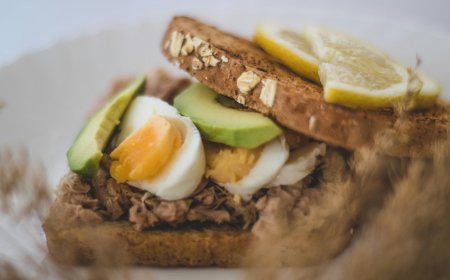
Nutrition: Eat balanced meals with whole foods.
Exercise: Engage in regular physical activity for strength and endurance.
Detox practices: Minimize exposure to toxins and support detoxification.
3. Social Well-Being Skills
Gratitude and kindness: Build connections through positive interactions.
Social boundaries: Establish healthy relationships and minimize negative interactions.
Digital balance: Limit technology to encourage in-person connections.
4. Workplace Well-Being Skills
Work-Life balance: Set boundaries between work and personal life.
Purposeful work: Align work tasks with personal values to enhance fulfillment.
WHO BENEFITS MOST FROM BUILDING WELL-BEING?
Everyone benefits from developing well-being skills, but studies show that individuals who actively pursue well-being practices or face recent challenges may experience more significant impacts. Adopting a growth mindset and positive attitude can make learning new well-being skills easier and more rewarding.
BUILDING WELL-BEING TAKES TIME AND EFFORT
Improving well-being requires time and commitment. Starting with realistic goals and gradually adding new practices can prevent discouragement. Building a well-being routine doesn’t prevent future challenges, but it equips you to handle them with resilience and positivity.
REMEMBER: Growth in well-being is an ongoing pursuit, but it’s one of the most rewarding investments you can make.
What's Your Reaction?